When most of us think about municipal infrastructure, we may picture streets, sidewalks, utility lines or any number of other physical assets that keep the city running. Increasingly, however, communities across the country are recognizing another form of infrastructure that is equally important to their long-term vitality. These are the spaces, programs and partnerships designed to support artistic creation and foster a thriving cultural identity. More simply, they constitute the community’s cultural infrastructure, and they merit thoughtful planning and meaningful investment just like the other more traditional components of civic operations.
Bristol has never lacked creative talent or cultural heritage. What has been perhaps less developed in our city are the dedicated spaces and support systems that allow artists, arts organizations and creative entrepreneurs to collaborate and thrive together. Over the past two years, the City of Bristol, Tennessee, has begun taking deliberate steps to address that opportunity through the transformation of a historic downtown property into what is envisioned as a vibrant center for arts and culture.
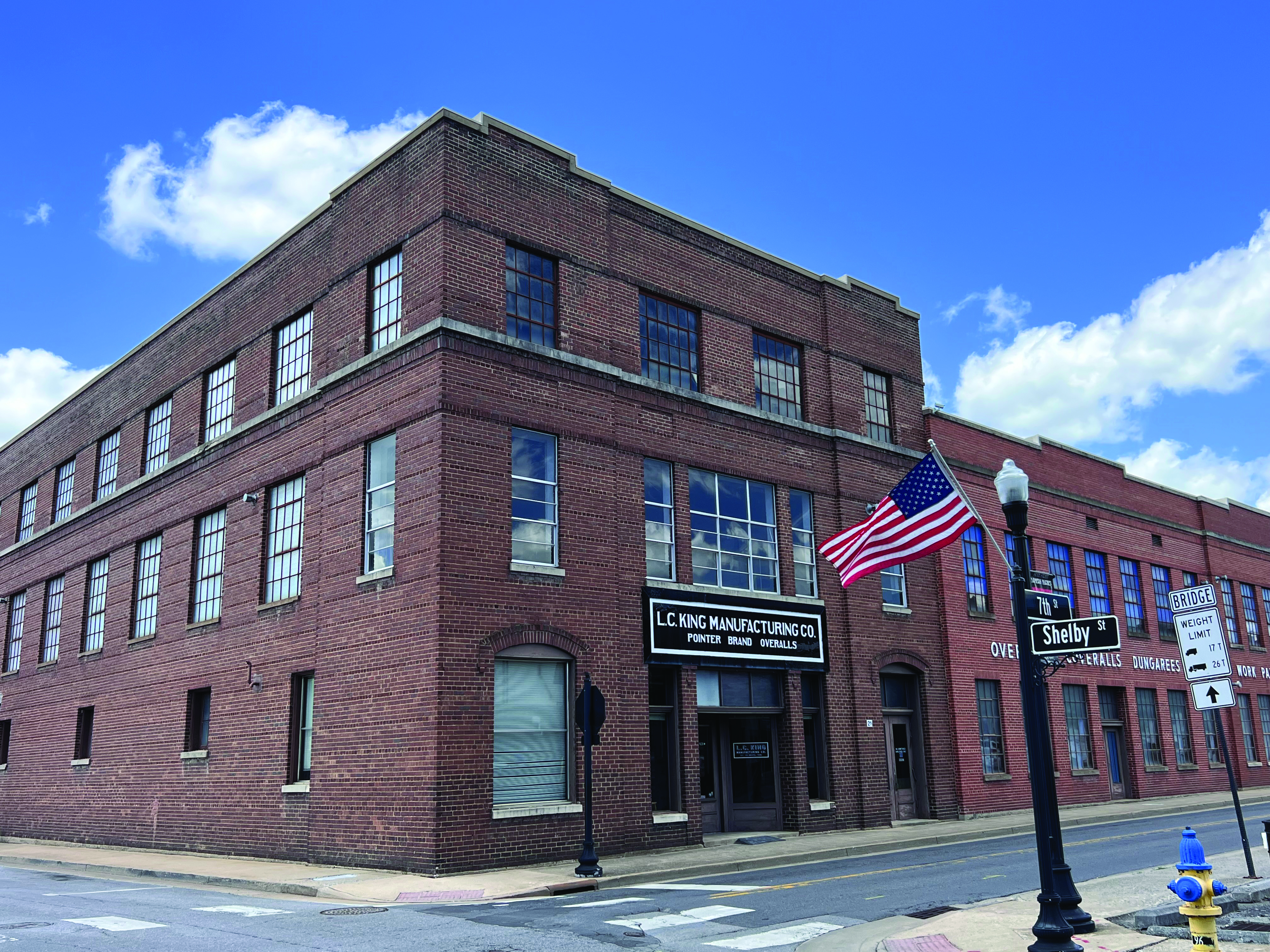
That opportunity first emerged in mid-2024, when the property that formerly housed the L.C. King Manufacturing Company became available for purchase. The property actually comprises four connected buildings along 7th Street with more than 60,000 square feet under roof. City leaders recognized the building could serve two important community needs at once: providing much-needed space for municipal offices while also creating a permanent home for arts and cultural activities. The purchase of the property by the city was finalized in June 2025.
From the outset, the vision has been shaped not by assumptions, but by community input. In May 2025, nearly 100 artists, nonprofit leaders, educators and other creative stakeholders gathered to help identify the community’s greatest needs. The conversation made it clear that, while artistic talent is plentiful, opportunities and spaces to support that talent remain limited.
Participants consistently identified the need for artist studios, gallery space, maker spaces and flexible areas that could accommodate exhibitions, performances, classes, rehearsals and community events. Beyond the physical building itself, stakeholders also expressed a desire for a dedicated arts and cultural organization focused specifically on serving Bristol. A broader community conversation has begun to explore how such an organization might be structured and what role it should play to best support our creative ecosystem without competing with or duplicating the efforts of any of Bristol’s existing cultural entities.
At the same time, important work has continued behind the scenes to prepare the historic building for its next chapter. A comprehensive environmental assessment, funded through grant support, has now been completed, providing critical information that will help guide future renovation efforts. Design concepts are also being developed to explore how the building can best accommodate the priorities identified through the stakeholder engagement process. Additionally, the city is actively identifying public, private and philanthropic funding opportunities that can help bring that vision to fruition.
Amid this activity, portions of the building are already beginning to fulfill their cultural purpose. The first floor of the oldest building, situated at the corner of 7th and Shelby Streets, serves as the home of the monthly Bristol Sessions Nights music and cultural series in advance of next year’s centennial celebration of the landmark 1927 recording sessions. They are held in a space newly dubbed as the Bristol Listening Room.
One of the cornerstone principles of traditional economic development is that a community must invest in its infrastructure in order to create the conditions for future growth. We build roads, schools, water systems, broadband networks and more for the purpose of cultivating future commercial and residential development. Some liken this to planting the seeds for a garden that takes time to fully mature for us to reap the benefits. That same investment is vital for our cultural infrastructure and its capacity to promote innovation, entrepreneurship and tourism, as well as to strengthen Bristol’s overall quality of life as a community.